
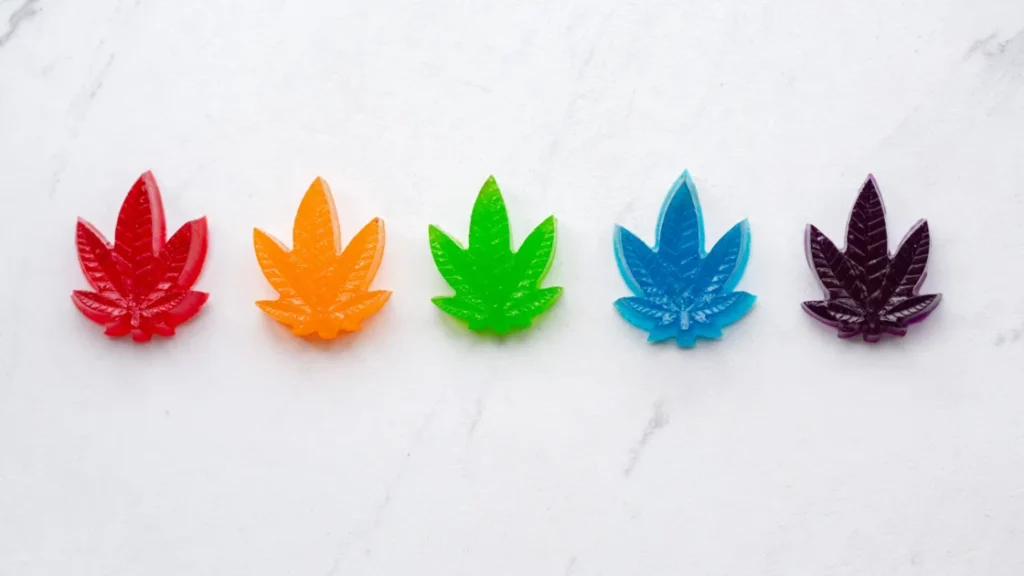
CBD gummies are available in a wide variety of flavors, shapes, colors, and textures. Some are soft and chewy, while others may feel firmer or slightly gummy. Their flavors can range from fruity and sweet to sour or naturally herbal.
These differences are not random. The flavor and texture of a CBD gummy depend on its ingredients, manufacturing process, CBD extract, sweeteners, flavorings, and storage conditions.
Understanding these factors can help you know what to expect when choosing different types of CBD gummies.
What Gives CBD Gummies Their Flavor?
The flavor of a CBD gummy usually comes from a combination of ingredients. Manufacturers may use natural or artificial flavoring, sweeteners, fruit ingredients, and other components to create a specific taste.
CBD itself can have a naturally earthy or botanical flavor. Because of this, manufacturers often combine CBD with stronger flavors to create a more enjoyable taste.
1. Fruit Flavors
Fruit flavors are among the most common choices for CBD gummies. Strawberry, raspberry, orange, lemon, watermelon, and mixed berry are examples of flavors that can help balance the natural taste of hemp-derived CBD.
2. Sweeteners
Sweeteners contribute to the overall taste of gummies. Depending on the formulation, a product may contain sugar, glucose syrup, fruit-based ingredients, or alternative sweeteners.
The type and amount of sweetener can affect both the sweetness and texture of the final gummy.
3. Natural and Artificial Flavoring
Some products use natural flavoring derived from fruits, plants, or other sources, while others use manufactured flavoring compounds.
The choice depends on the manufacturer’s formulation and the desired taste profile.
Why Does CBD Sometimes Have an Earthy Taste?
CBD is commonly derived from hemp, and hemp extracts can naturally have a botanical, earthy, or slightly bitter taste.
The intensity of this flavor can depend on the type of CBD extract used and how it is processed.
Full-spectrum CBD products, for example, contain multiple naturally occurring hemp compounds and may have a more noticeable botanical flavor than products made with CBD isolate.
Manufacturers may use fruit flavors, sweeteners, or other ingredients to balance these natural notes.
What Gives CBD Gummies Their Texture?
Texture is mainly influenced by the ingredients used to create the gummy’s structure.
Common ingredients that affect texture include:
- Pectin
- Gelatin
- Sugar or other sweeteners
- Glucose or similar syrups
- Water
- Oils
- Gelling agents
The combination and proportions of these ingredients determine whether a gummy is soft, firm, chewy, or more elastic.
Gelatin vs Pectin: Why It Matters
Gelatin and pectin are two ingredients commonly used to create gummy textures, but they can produce noticeably different results.
1. Gelatin-Based Gummies
Gelatin is an animal-derived ingredient that can give gummies a firm and chewy texture. It is widely used in traditional gummy products.
The amount of gelatin and the manufacturing process can influence how firm or soft the finished product becomes.
2. Pectin-Based Gummies
Pectin is a plant-based gelling ingredient commonly derived from fruits. It can create a softer or slightly different type of chew compared with gelatin.
Pectin is often used in gummies designed for people who prefer plant-based formulations.
Why Are Some CBD Gummies Soft and Others Firm?
The firmness of a CBD gummy depends on its formulation and manufacturing process.
Factors such as the amount of gelling agent, moisture content, sugar concentration, cooking temperature, and cooling process can all influence the final texture.
A gummy with more moisture may feel softer, while changes in the gelling system can produce a firmer chew.
This is why two CBD gummies containing similar amounts of CBD can still feel very different when you eat them.
Does the CBD Extract Affect Texture?
CBD extract can also contribute to differences in texture.
CBD may be incorporated into a gummy formula in the form of an isolate, broad-spectrum extract, or full-spectrum extract. These extracts contain different combinations of hemp-derived compounds.
The way the extract interacts with the other ingredients can influence the final formulation. Manufacturers therefore need to carefully balance the CBD ingredient with the rest of the gummy recipe.
Why Do CBD Gummies Come in Different Shapes and Colors?
Shape and color are often used to make gummies visually appealing and help distinguish different flavors.
For example, a manufacturer may use different colors for strawberry, lemon, orange, or berry flavors.
Food-grade coloring ingredients may be used to create these colors. Some brands use artificial colors, while others use colors derived from natural sources.
The shape itself generally has more to do with product design and branding than with the CBD content.
Can Storage Change the Texture of CBD Gummies?
Yes. Storage conditions can affect gummy texture over time.
Exposure to heat can make gummies softer or stickier, while colder conditions can make them firmer. Humidity can also affect the moisture content and texture of gummies.
For this reason, CBD gummies should be stored according to the manufacturer’s instructions.
Keeping the container properly sealed can also help protect the gummies from moisture and environmental exposure.
Why Do Some CBD Gummies Have a Sour Coating?
Some CBD gummies have a sweet or sour coating added to their surface.
Sour gummies may contain ingredients such as citric acid or other food acids that create a tangy taste. Sugar or other sweeteners can balance the acidity.
The coating can also add another texture to the gummy, creating a contrast between the outside and the softer interior.
Does Flavor Affect the CBD Content?
Flavor itself does not determine how much CBD a gummy contains.
The CBD amount should be based on the product’s formulation and labeling rather than its flavor. For example, two gummies with different flavors may contain the same amount of CBD per serving.
Always check the product label for the stated CBD content and serving information.
Why Can Two Brands Have Very Different Gummies?
CBD gummies can vary significantly between manufacturers because each brand may use a different recipe and production process.
Differences can include:
- Type of CBD extract
- CBD concentration
- Sweeteners
- Flavoring ingredients
- Gelling agents
- Oil or fat content
- Moisture level
- Cooking and cooling methods
- Storage recommendations
These factors can create noticeable differences in flavor, chewiness, appearance, and overall texture.
How to Choose CBD Gummies Based on Flavor and Texture
When choosing CBD gummies, consider both the ingredients and your personal preferences.
If you prefer a softer texture, look for products described as soft or tender. If you prefer a traditional chewy gummy, a firmer formulation may be more suitable.
For flavor, fruit-based varieties may be a good option if you want to mask the natural botanical taste of CBD.
It is also important to read the ingredient list and product label. Look at the CBD amount per serving, type of CBD extract, sweeteners, allergens, and other ingredients before making a choice.
Also Read: How Long Does It Take for CBD Gummies to Work?
Final Thoughts
CBD gummies come in different flavors and textures because manufacturers use different combinations of CBD extracts, sweeteners, flavorings, gelling agents, moisture levels, and production methods.
Ingredients such as gelatin and pectin can influence chewiness, while fruit flavors and sweeteners can change the taste. Storage conditions can also affect the texture over time.
If you’re comparing CBD gummies, don’t focus only on flavor or appearance. Check the ingredient list, CBD content, product information, and storage instructions to understand what you’re buying and how the product is formulated.