

Introduction
CBD gummies have become one of the most popular ways to include cannabidiol (CBD) in a daily wellness routine. Their convenience, pre-measured servings, and enjoyable flavors make them an appealing choice for both first-time users and experienced CBD consumers. However, if you’ve ever browsed CBD products online or read a product label, you’ve probably come across terms like full-spectrum, broad-spectrum, CBD isolate, COA, third-party tested, and bioavailability.
For someone new to CBD, these terms can be confusing. Understanding what they mean can help you compare products, identify quality brands, and make informed purchasing decisions.
This guide explains the most common CBD gummy terms in simple language so you can shop with greater confidence.
What Are CBD Gummies?
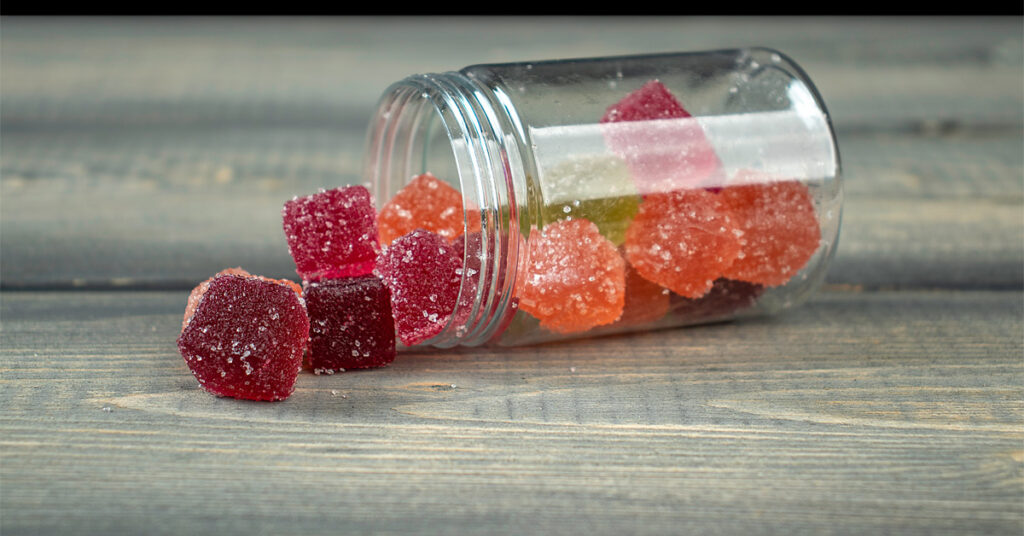
CBD gummies are edible supplements infused with cannabidiol (CBD), a naturally occurring compound extracted from hemp plants.
Unlike THC, CBD does not produce an intoxicating or “high” effect. Instead, many people choose CBD gummies as part of their daily wellness routine because they are convenient, portable, and easy to use.
CBD gummies are available in various strengths, flavors, and formulations to suit different preferences.
Why Understanding CBD Terms Is Important
Learning common CBD terminology helps you:
- Compare products more effectively
- Understand product labels
- Identify high-quality CBD brands
- Know exactly what you’re purchasing
- Avoid misleading marketing claims
- Make informed buying decisions
A little knowledge goes a long way when selecting CBD gummies.
1. CBD (Cannabidiol)
CBD, or cannabidiol, is one of more than 100 naturally occurring compounds known as cannabinoids found in the hemp plant.
It interacts with the body’s endocannabinoid system (ECS), which plays a role in maintaining balance across various bodily functions.
CBD is non-intoxicating, meaning it does not create the “high” commonly associated with THC.
2. Hemp
Hemp is a variety of the Cannabis sativa plant grown primarily for industrial, nutritional, and wellness purposes.
Legally grown hemp contains only trace amounts of THC while naturally containing CBD and other beneficial plant compounds.
Most reputable CBD gummies are made using hemp-derived CBD.
3. Cannabinoids
Cannabinoids are naturally occurring compounds found in hemp.
Some well-known cannabinoids include:
- CBD (Cannabidiol)
- CBG (Cannabigerol)
- CBN (Cannabinol)
- CBC (Cannabichromene)
- THC (Tetrahydrocannabinol)
Each cannabinoid has unique characteristics and contributes differently to hemp’s overall profile.
4. THC (Tetrahydrocannabinol)
THC is the cannabinoid responsible for the intoxicating effects associated with cannabis.
Most hemp-derived CBD gummies contain either:
- No THC
- Or only legally permitted trace amounts
If you want to avoid THC entirely, look for products labeled Broad-Spectrum or CBD Isolate.
5. Full-Spectrum CBD
Full-spectrum CBD contains:
- CBD
- Other naturally occurring cannabinoids
- Terpenes
- Flavonoids
- Trace amounts of THC within legal limits
Some consumers prefer full-spectrum products because they include a wider range of naturally occurring hemp compounds.
6. Broad-Spectrum CBD
Broad-spectrum CBD contains:
- CBD
- Multiple cannabinoids
- Terpenes
- Flavonoids
However, THC is removed during processing.
This option is popular among people who want additional hemp compounds without THC.
7. CBD Isolate
CBD isolate is the purest form of CBD.
It contains:
- Only CBD
- No THC
- No additional cannabinoids
- No terpenes
People seeking a single-ingredient CBD product often choose isolates
8. Endocannabinoid System (ECS)
The Endocannabinoid System (ECS) is a natural network found throughout the human body.
It helps regulate functions such as:
- Mood
- Sleep
- Appetite
- Immune response
- Overall balance (homeostasis)
Researchers believe CBD interacts indirectly with this system.
9. Hemp Extract
“Hemp extract” refers to ingredients extracted from hemp plants.
Depending on the manufacturing process, hemp extract may contain:
- CBD
- Minor cannabinoids
- Terpenes
- Flavonoids
The exact composition varies between products.
10. Terpenes
Terpenes are naturally occurring aromatic compounds found in many plants, including hemp.
They give hemp its distinctive scent and contribute to the plant’s natural profile.
Examples include:
- Limonene
- Myrcene
- Pinene
- Linalool
11. Flavonoids
Flavonoids are natural plant compounds responsible for many of the colors found in fruits, vegetables, and hemp.
They also contribute to the plant’s overall composition.
12. Potency
Potency refers to how much CBD is contained in a product.
For example:
- 10 mg CBD per gummy
- 25 mg CBD per gummy
- 50 mg CBD per gummy
Higher potency does not necessarily mean better quality.
Choose a strength that matches your personal preferences and the manufacturer’s serving recommendations.
13. Serving Size
Serving size refers to the recommended amount of CBD gummies to consume at one time.
Some products recommend:
- One gummy
- Two gummies
- Half a gummy
Always follow the serving instructions provided by the manufacturer.
14. Bioavailability
Bioavailability describes how much CBD is absorbed and utilized by the body.
Since gummies pass through the digestive system before entering the bloodstream, absorption may take longer than some other CBD formats.
Individual experiences can vary depending on metabolism and other factors.
15. Carrier Oil
Many CBD extracts are blended with carrier oils to improve consistency and usability.
Common carrier oils include:
- MCT oil
- Hemp seed oil
- Coconut oil
Carrier oils help distribute CBD evenly during manufacturing.
Third-Party Lab Testing
One of the most important terms every buyer should know.
Third-party testing means an independent laboratory evaluates the product for:
- CBD content
- THC levels
- Purity
- Heavy metals
- Pesticides
- Microbial contaminants
Independent testing provides greater transparency and quality assurance.
Certificate of Analysis (COA)
A Certificate of Analysis (COA) is the laboratory report generated after third-party testing.
A COA typically confirms:
- CBD concentration
- THC content
- Cannabinoid profile
- Safety testing results
Reputable CBD companies usually make these reports available to customers.
Organic Hemp
Organic hemp is grown without certain synthetic pesticides or fertilizers.
Many consumers prefer CBD gummies made from organically cultivated hemp because of their farming practices.
Vegan CBD Gummies
Some CBD gummies are made without animal-derived ingredients.
Vegan gummies commonly use:
- Fruit pectin
instead of gelatin.
This makes them suitable for individuals following plant-based diets.
Natural vs Artificial Ingredients
Quality CBD gummies often contain:
- Natural fruit flavors
- Natural colors
- Plant-based ingredients
Some products may also include artificial sweeteners, flavors, or preservatives.
Reading ingredient labels helps buyers understand exactly what they’re consuming.
Expiration Date
CBD gummies have a shelf life.
Before purchasing, check:
- Manufacturing date
- Expiration date
- Storage recommendations
Proper storage helps maintain freshness and product quality.
Hemp Seed Oil vs CBD Oil
These two ingredients are often confused.
Hemp Seed Oil
- Made from hemp seeds
- Contains healthy fats
- Does not naturally contain significant amounts of CBD
CBD Oil
- Extracted from hemp flowers and aerial parts
- Contains cannabidiol (CBD)
Always verify that a product specifically lists its CBD content.
How to Read a CBD Gummy Label
A quality label should clearly display:
- CBD per gummy
- Total CBD in the package
- Ingredient list
- Serving size
- THC information
- Batch number
- Third-party testing availability
- Manufacturer information
Transparent labeling is often a sign of a reputable brand.
Tips for Choosing High-Quality CBD Gummies
Before making a purchase, consider these factors:
1. Choose Hemp-Derived CBD
Look for products made from legally cultivated hemp.
2. Verify Third-Party Testing
Independent laboratory reports help confirm quality and ingredient accuracy.
3. Read Ingredient Lists
Avoid products with unnecessary additives or unclear ingredient information.
4. Compare Potency
Choose a CBD strength appropriate for your needs instead of assuming higher concentrations are always better.
5. Research the Brand
Look for companies with transparent manufacturing practices and positive customer feedback.
Common Mistakes Buyers Should Avoid
Avoid these common purchasing mistakes:
- Buying products without lab testing
- Ignoring ingredient labels
- Confusing hemp seed oil with CBD oil
- Choosing products based only on price
- Assuming all CBD gummies are identical
- Not checking serving recommendations
A little research before purchasing can help you choose a product that aligns with your preferences.
Also Read: CBD Dog Treats vs CBD Oil: Which Is Better for Your Dog?
Conclusion
Understanding common CBD gummy terms is one of the best ways to become a more informed buyer. From knowing the difference between full-spectrum, broad-spectrum, and CBD isolate to recognizing the importance of third-party lab testing and Certificates of Analysis, these concepts help you evaluate products with greater confidence.
Rather than focusing solely on marketing claims, take the time to read product labels, review ingredient lists, and choose brands that prioritize transparency and quality. Whether you’re new to CBD or looking to explore different formulations, understanding the language of CBD makes it easier to find products that fit your preferences and wellness goals.
With the right knowledge, you can navigate the growing CBD market more confidently and make purchasing decisions based on facts, quality, and informed choice rather than confusion.